Search

All ​ ​ ​ |​ ​ ​ ​ methods ​ ​ ​ |​ ​ ​ ​ guest ​ ​ ​ |​​ ​ ​ ​ videos ​ ​ ​ |​ ​ ​ ​ moderation ​ ​ ​ |​ ​ ​ ​ visualize​ ​ ​ |​ ​ ​ ​ poster

All ​ ​ ​ |​ ​ ​ ​ methods ​ ​ ​ |​ ​ ​ ​ guest ​ ​ ​ |​​ ​ ​ ​ videos ​ ​ ​ |​ ​ ​ ​ moderation ​ ​ ​ |​ ​ ​ ​ visualize​ ​ ​ |​ ​ ​ ​ poster

Welcome to the Neuland blog!

Welcome to the Neuland blog!

Here we inform you about new products, news, and interesting facts from the world of Neuland products and topics.
News from the scene, web finds, dates, operating instructions, and downloads.

Here we inform you about new products, news, and interesting facts from the world of Neuland products and topics.
News from the scene, web finds, dates, operating instructions, and downloads.

All blog posts

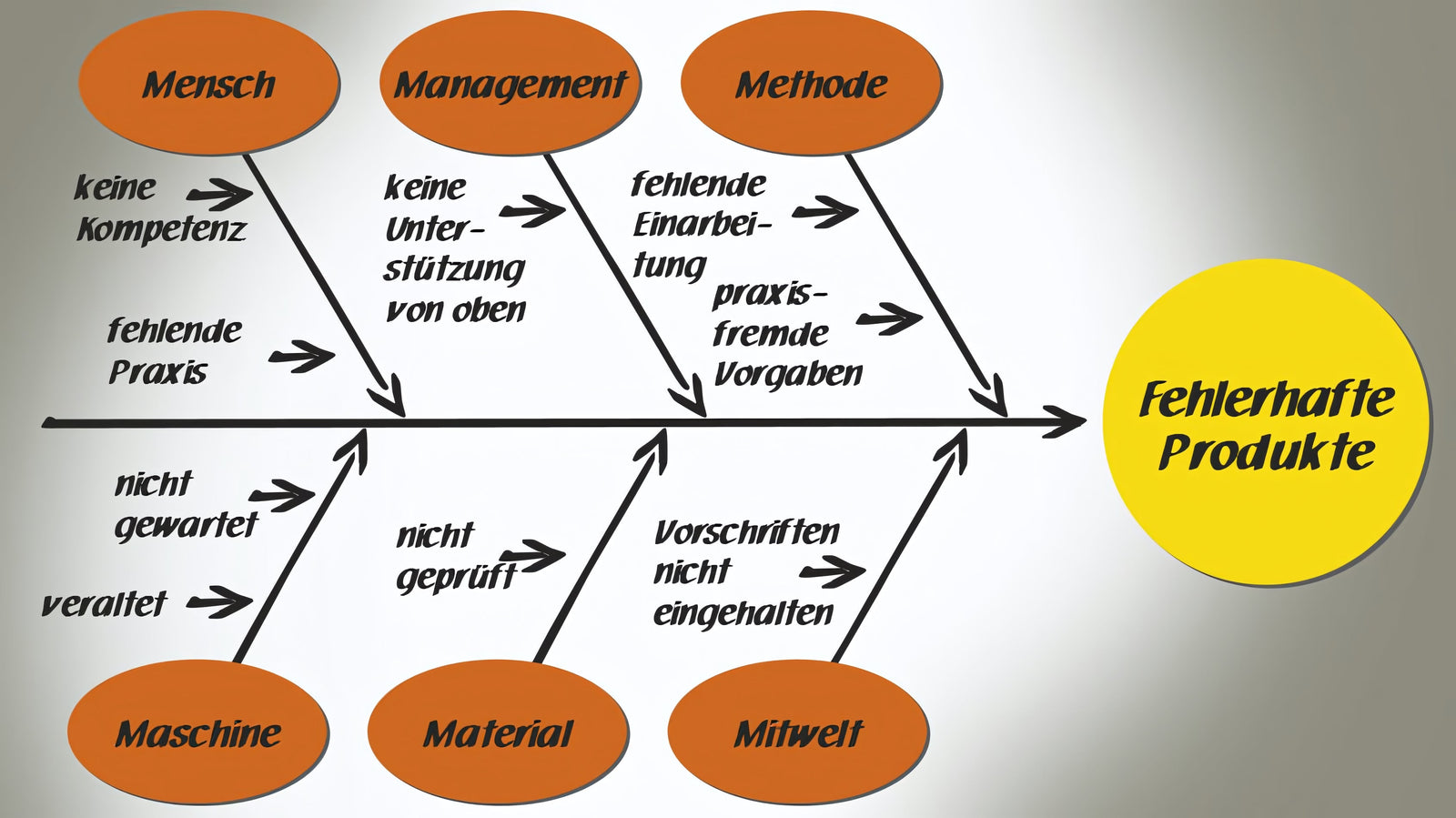
The Ishikawa diagram (cause-and-effect diagram), also known as a fishbone diagram, is an orientation aid for solving complex problems whose solution extends over a longer period of time. The fishbone diagram enables a structured approach and is ideal for analyzing situations in a team or individually.

  • 2 min read
At the beginning of a seminar, the same participants usually always answer. This is because everything is still new and the group has not yet found each other. That doesn't have to be the case! Why not start with a completely different seminar introduction that activates and motivates everyone equally?
  • 2 min read
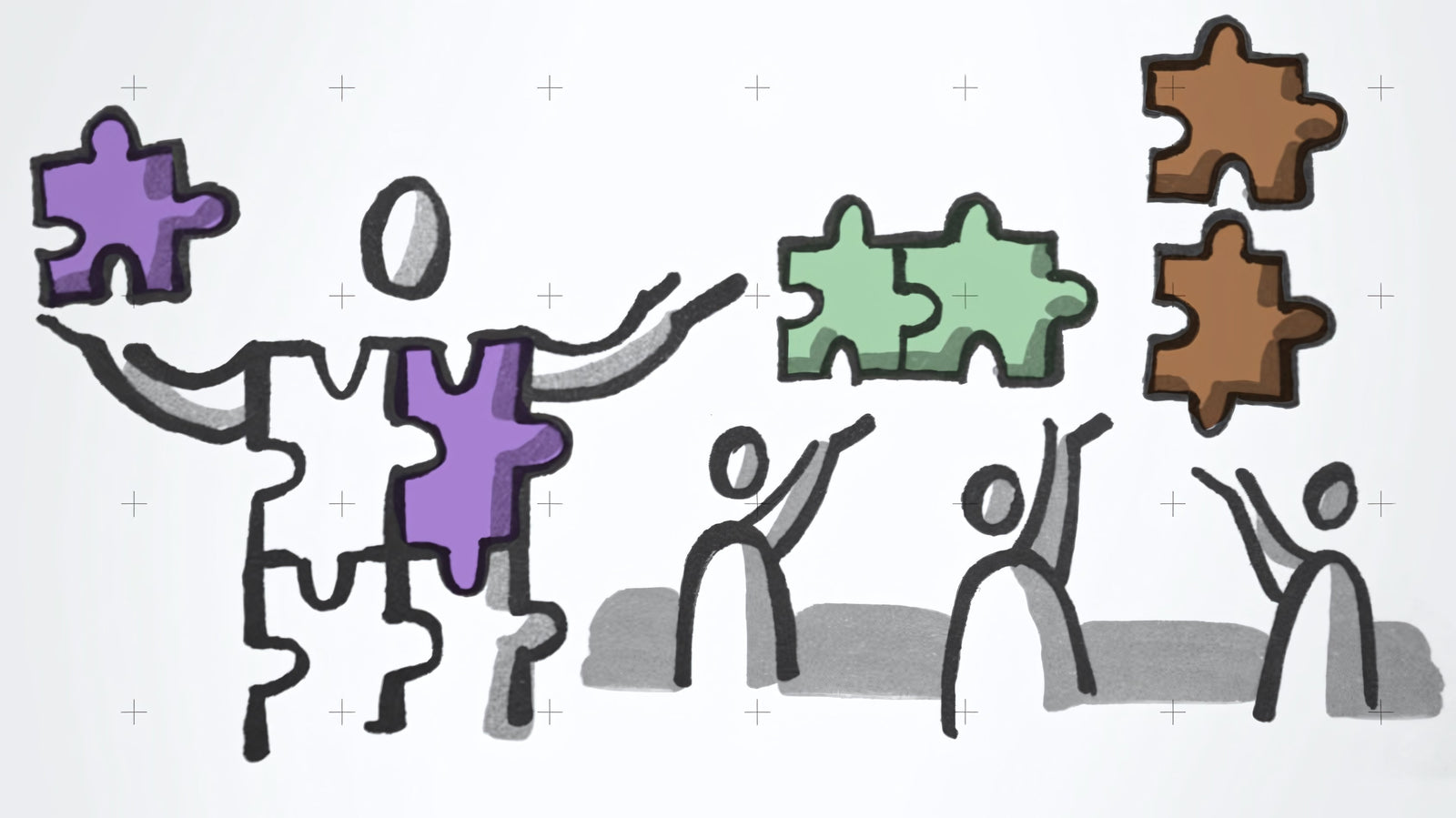
The development of a group into a team follows a very specific pattern: the desired changes in behavior only occur once the process has gone through all the phases. In this article, you will learn about the different stages of this development and how you can consciously manage the process.
  • 3 min read
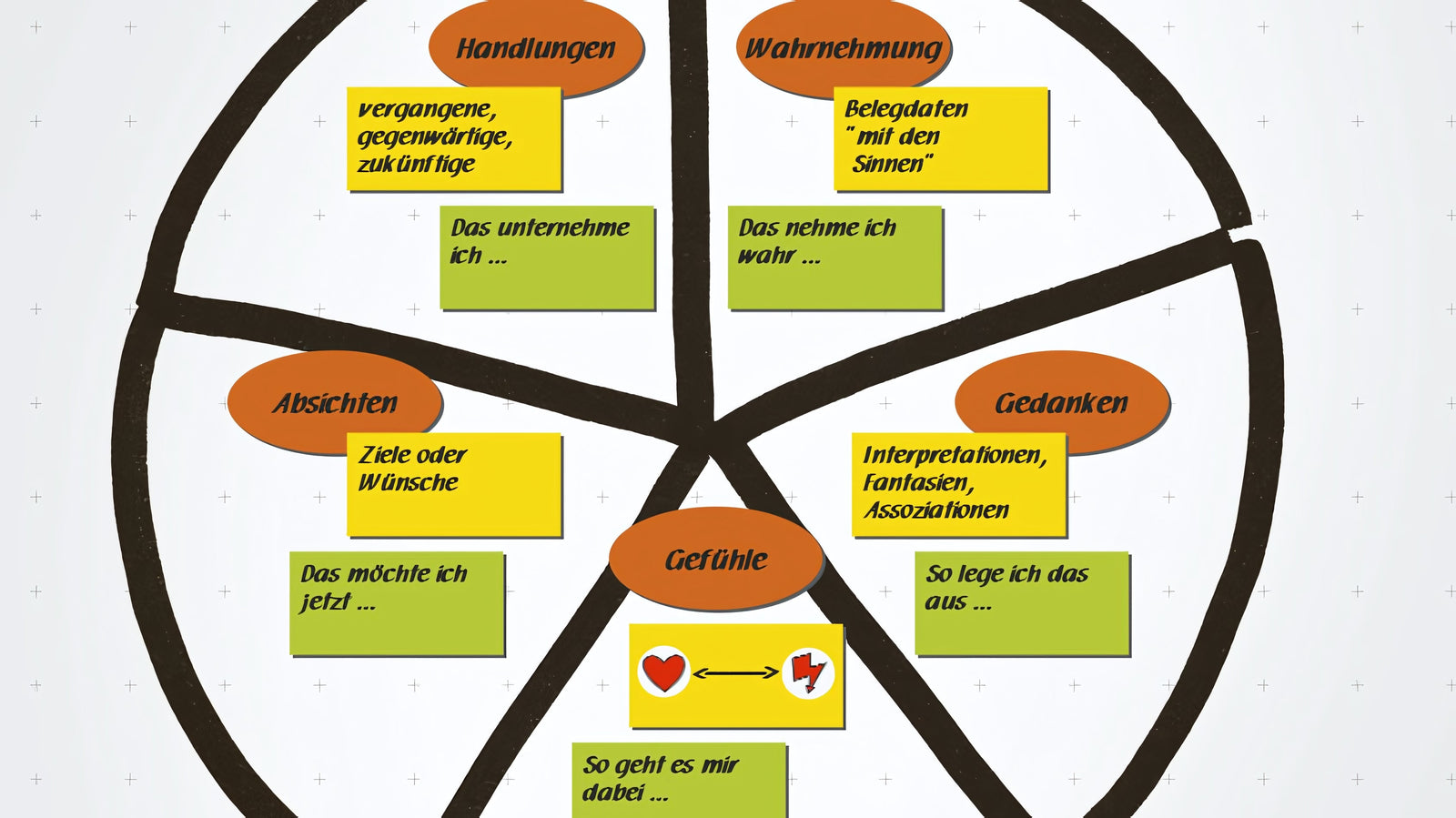
The wheel of consciousness is a feedback model that enables us to gain clarity about our self-image. If we look at a situation that we experienced a long or short time ago using this model, we can recognize a wide variety of things. The wheel of consciousness is perfect for guiding group processes. However, it can also be used by individuals in individual situations to create "awareness".
  • 4 min read
The mood in many companies could be better: Numerous employees make a fist of it day in, day out, or complain loudly to colleagues about all the little things they think are wrong. This potential for frustration can be turned into a positive force in a simple way - by setting up pinboards in different departments or in a central location.
  • 1 min read
The results of group work are usually presented to the other seminar participants. The vernissage is an interesting alternative to the classic presentation. Participants go from visualization to visualization and add their questions, differences of opinion, agreements and additions to the works. A vernissage guarantees a high level of participation and engagement with the results. Big advantage: the participants are on the move!
  • 2 min read
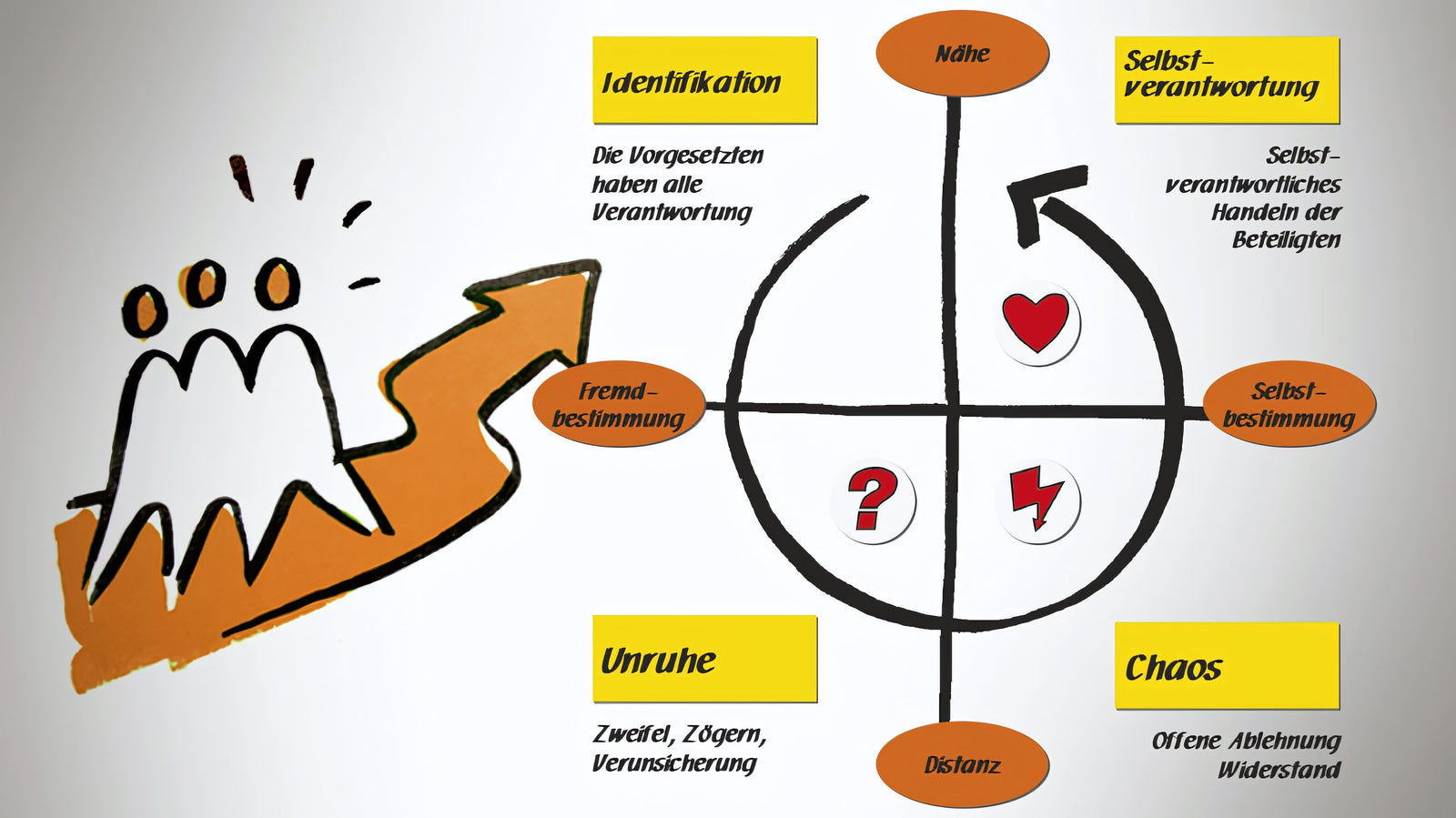
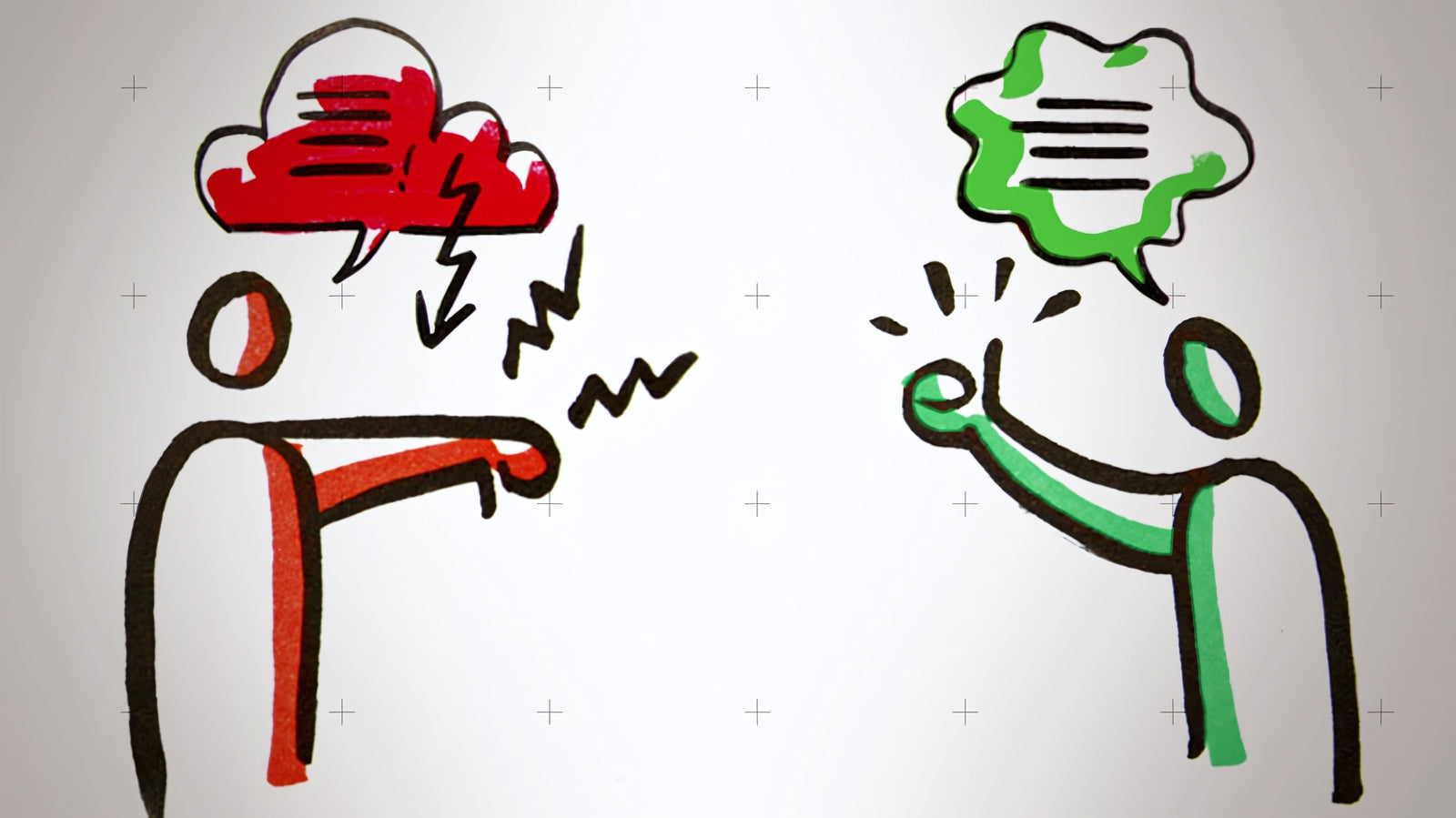
Conflict situations can always arise during the course of a moderation. Sometimes they are foreseeable, sometimes they come as a surprise. At in-house events in particular, participants often find themselves in stressful situations that can lead to conflict. With the right technique, delicate situations can be recognized earlier and managed better.
  • 5 min read
Finding creative ideas is easier said than done. Or is it? There are a variety of well-known and less well-known, simple and more complex creativity techniques. One particularly efficient method is the random input technique. It is simple, productive and fun. Because the random input technique can generate many new ideas within a very short time, it is also used by many large advertising agencies.
  • 2 min read

You know the saying: "There are no stupid answers - there are only stupid questions". It also hits the nail on the head with the moderation method: the main task of the moderator is to ask (written) questions that are formulated in such a way that they provoke as many usable answers as possible.

  • 2 min read
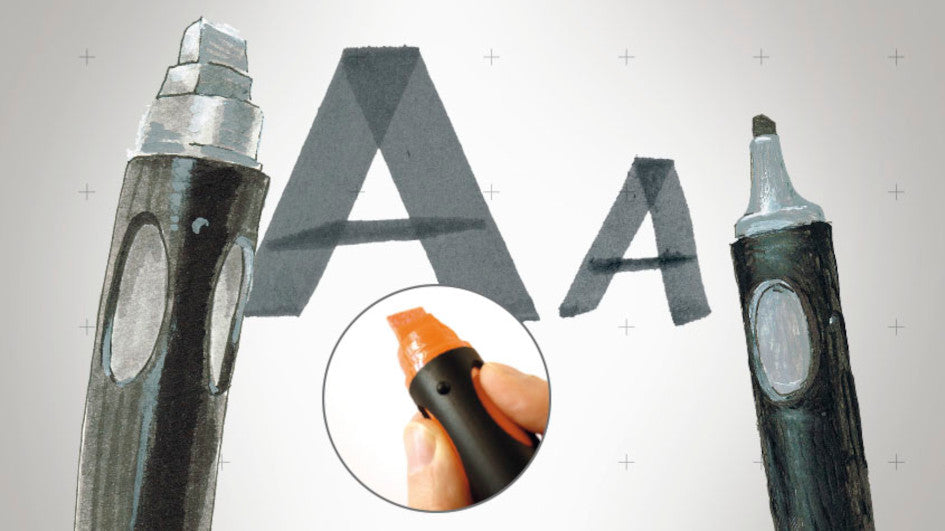
With the moderation method, the participants' inputs are written by hand. This makes each contribution a very personal testimony. In order for the individual contributions to be used as effectively as possible and integrated into the process, they must be legible for all participants, even from a certain distance. Most newcomers to moderation must therefore first learn how to write legibly.
  • 2 min read
The moderation method has proven its worth for many years. Whenever the aim is to turn those affected into participants, experts in training, coaching and team development rely on this simple and versatile tool. After all, facilitation is much more than just sticking colorful cards and little clouds on a pinboard. Find out in this article in which situations you can use the moderation method and how you can achieve the best results with this method.
  • 2 min read
The Block Buttler from Neuland makes it very easy to store labeled flipchart papers from seminars and workshops in a crease-free and space-saving way.
  • 1 min read